In today’s digital economy, businesses in New York, New Jersey, Florida, Georgia, Pennsylvania, Virginia, North Carolina, South Carolina, Maryland, West Virginia, and Connecticut rely heavily on technology to operate efficiently. While IT Services, Managed Services Providers (MSPs), and Managed Security Service Providers (MSSPs) help companies innovate, they also expand the potential attack surface for cybercriminals.
Understanding the common cybersecurity threats facing businesses is the first step toward building effective defenses. The rise in ransomware, phishing, and data breaches demonstrates that cybersecurity is no longer optional—it’s a requirement for maintaining business continuity, protecting customer trust, and meeting compliance standards such as SOC 2 and HIPAA.
The Growing Cybersecurity Landscape
According to IBM’s Cost of a Data Breach Report 2024, the average cost of a data breach in the United States reached $9.5 million, the highest globally. Small and mid-sized businesses are particularly vulnerable because they often lack in-house security teams or robust disaster recovery strategies.
That’s where MSPs and MSSPs like The Nu-Age Group, Inc. come in, delivering comprehensive cybersecurity and IT governance solutions tailored to industries from healthcare to finance.
Common Cybersecurity Threats Facing Businesses
1. Phishing Attacks
Phishing remains the most common attack vector, tricking employees into revealing sensitive information or downloading malicious software. Email remains the primary channel, but phishing also happens via text messages and social media.
Mitigation Strategy
- Conduct employee awareness training.
- Use advanced email filtering systems.
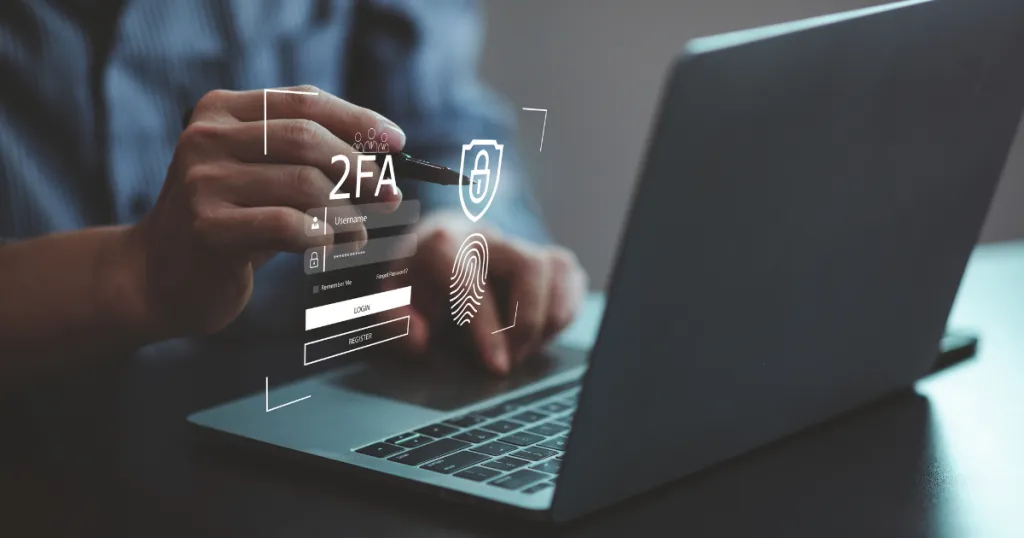
- Deploy Multi-Factor Authentication (MFA).
2. Ransomware
Ransomware encrypts critical business data until a ransom is paid. Attacks have become more targeted, focusing on organizations in healthcare, education, and manufacturing industries that cannot afford downtime.
Mitigation Strategy
- Regularly back up data using immutable storage.
- Maintain a tested disaster recovery plan.
- Leverage endpoint detection and response (EDR) tools.
3. Insider Threats
Not all threats come from outside. Employees, contractors, or third-party vendors with access to business systems may intentionally or accidentally expose sensitive data.
Mitigation Strategy
- Implement strict access controls.
- Monitor user activity for anomalies.
- Apply least-privilege access principles.
4. Cloud Security Risks
With many businesses shifting to cloud-based IT services, misconfigurations and weak identity controls can expose sensitive information.
Mitigation Strategy
- Partner with an MSSP for cloud configuration audits.
- Apply Zero Trust frameworks.
- Encrypt sensitive data at rest and in transit.
5. Compliance-Driven Threats (HIPAA, SOC 2)
Organizations in healthcare, finance, and professional services face strict compliance requirements. Failure to comply can result not only in breaches but also in fines and reputational damage.
Mitigation Strategy
- Conduct regular IT governance audits.
- Align systems with SOC 2 and HIPAA standards.
- Partner with a trusted MSP for compliance management.
Table: Threats vs. Mitigation Strategies
| Threat | Impact on Business | Mitigation Strategy |
| Phishing Attacks | Data theft, financial fraud, loss of client trust | Awareness training, MFA, advanced filtering |
| Ransomware | Business downtime, ransom payments, data loss | Regular backups, disaster recovery planning, EDR |
| Insider Threats | Data leaks, compliance violations, sabotage | Access controls, user monitoring, and least-privilege policies |
| Cloud Security Risks | Unauthorized access, exposure of sensitive data | Zero Trust, encryption, MSSP-led audits |
| Compliance Failures | Fines, legal penalties, reputational harm | Governance audits, SOC 2 / HIPAA alignment, MSP support |
Why Managed Services (MSP) and MSSP Partnerships Are Critical
Businesses in the Northeast and Southeast U.S. often assume cybersecurity solutions are “set-and-forget.” The reality is that threats evolve daily. MSPs handle ongoing IT services and network performance, while MSSPs specialize in advanced security, including Security Operations Centers (SOCs), compliance management, and 24/7 threat detection.
By outsourcing IT governance and disaster recovery to experts, organizations:
- Reduce downtime from incidents.
- Improve compliance readiness.
- Gain access to cutting-edge security tools without the overhead of in-house staffing.
Disaster Recovery: Preparing for the Inevitable
Even the best cybersecurity measures cannot eliminate all risks. Disaster recovery (DR) planning ensures that when incidents occur, your business can recover quickly.
Key Elements of an Effective DR Plan:
- Regular Data Backups: Maintain both onsite and offsite copies.
- Recovery Time Objectives (RTO): Define how quickly systems must be restored.
- Testing & Simulation: Run regular tabletop exercises to validate readiness.
Studies show that companies with disaster recovery solutions recover from cyber incidents 96% faster than those without (IBM, 2024).
Regional Relevance: Why This Matters for Your Business
Businesses across New York, New Jersey, Florida, Georgia, Pennsylvania, Virginia, North Carolina, South Carolina, Maryland, West Virginia, and Connecticut face unique regulatory landscapes and regional threats.
New York & New Jersey
Financial services firms must comply with NYDFS Cybersecurity Regulations.
Florida & Georgia
Growing tech and healthcare sectors attract ransomware groups.
Pennsylvania & Virginia
Universities and research institutions are high-value intellectual property targets.
Carolinas & Maryland
Manufacturing and logistics industries rely on uptime as a prime ransomware target.
Connecticut & West Virginia
Smaller organizations often lack in-house IT security, making MSPs a cost-effective solution.
The Role of IT Governance in Cybersecurity
IT governance ensures that your business aligns its technology cybersecurity strategy with business objectives while meeting compliance obligations. For example:
SOC 2 Compliance
Demonstrates strong security and availability controls.
HIPAA Compliance:
Protects patient health information for healthcare organizations.
By embedding governance into your cybersecurity framework, you reduce risks and build customer trust.
Table: MSP vs MSSP Services
| Service Category | MSP (Managed Services Provider) | MSSP (Managed Security Services Provider) |
| IT Infrastructure | Network management, server maintenance | Security monitoring and threat detection |
| User Support | Helpdesk, device support | Incident response and forensic analysis |
| Compliance | General IT best practices | SOC 2, HIPAA, PCI, regulatory alignment |
| Security | Basic antivirus, patch management | 24/7 SOC monitoring, SIEM, advanced firewalls |
| Disaster Recovery | Backup management, system restoration | Business continuity planning, penetration testing |
Final Thoughts
Cybersecurity is not a one-time investment it is a continuous process of identifying risks, implementing controls, and monitoring for threats. From phishing attacks to ransomware, insider risks to compliance gaps, businesses in the Northeast and Southeast U.S. need a proactive approach to stay protected.
Partnering with a trusted MSP and MSSP like The Nu-Age Group, Inc. ensures your business has the resilience, governance, and compliance needed to thrive in today’s digital economy.

Strengthen Your Cybersecurity Today
Don’t wait for a breach to expose vulnerabilities. Take the next step to protect your data, customers, and reputation. Contact The Nu-Age Group, Inc. today to learn how our Managed Services, MSSP solutions, IT governance, and disaster recovery planning can safeguard your business across New York, New Jersey, Florida, Georgia, Pennsylvania, Virginia, North Carolina, South Carolina, Maryland, West Virginia, and Connecticut.